

Birds of Vietnam, Bird Species in Vietnam
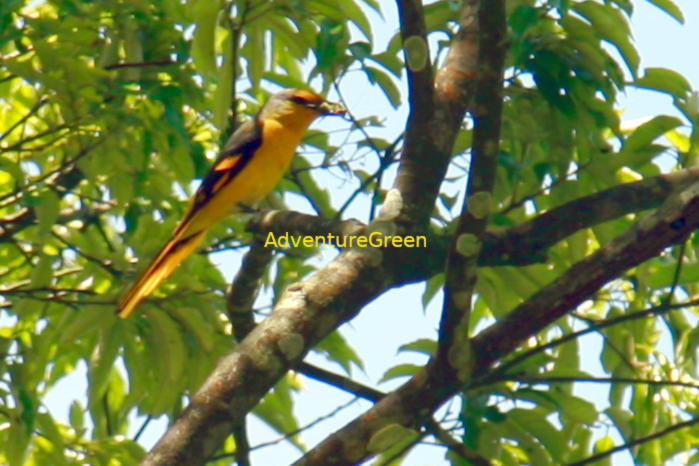
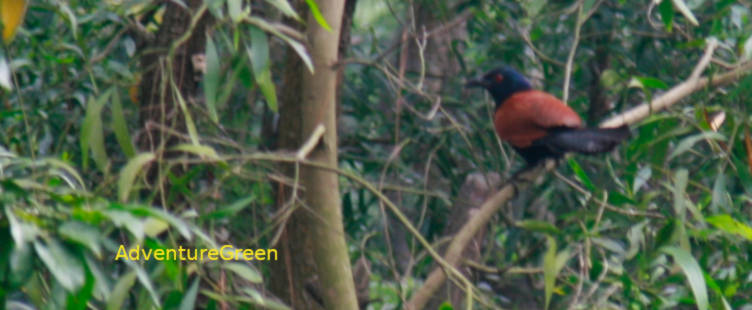
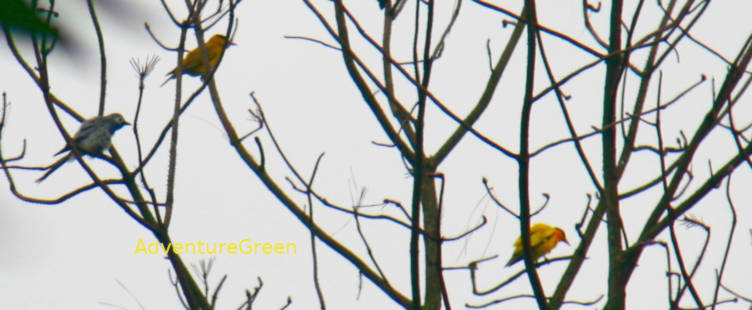
Let's join AdventureGreen on our bird quests to learn about the different birds and bird species in Vietnam. Here you can find out more about the birding spots that these bird species are found.
- Order: Passeriformes
The family Remizidae, or the penduline tits, is a family of small passerine birds related to the true tits.
All but the verdin make elaborate bag nests hanging from trees (whence "penduline", hanging), usually over water.
The penduline tits live in Eurasia and Africa and North America.
Penduline is an adjective describing something that hangs or is pendulous.
The term originates from the Latin pendulus (adjective pendulinus: "hanging", "pendant") describing the nest structure of the penduline tits.
Scientific Name: Remizidae (derived from the genus Remiz).
Genus Remiz: This name comes from the Polish word remiz, which refers to the Eurasian penduline tit (Remiz pendulinus).
- Order: Passeriformes
- Family: Remizidae
Remiz is a genus of birds in the family Remizidae, commonly known as the Eurasian pendulines (as opposed to the African pendulines).
1/ Chinese penduline tit (Remiz consobrinus)
Penduline is an adjective describing something that hangs or is pendulous.
The term originates from the Latin pendulus (adjective pendulinus: "hanging", "pendant") describing the nest structure of the penduline tits.
Scientific Name: Remizidae (derived from the genus Remiz).
Genus Remiz: This name comes from the Polish word remiz, which refers to the Eurasian penduline tit (Remiz pendulinus).
- Order: Passeriformes
- Family: Remizidae
- Genus: Remiz
Chinese penduline tit (Remiz consobrinus)
The Chinese penduline tit (Remiz consobrinus) is a species of bird in the family Remizidae.
This bird species is native to Manchuria.
The bird winters in the south of China.
Penduline is an adjective describing something that hangs or is pendulous.
The term originates from the Latin pendulus (adjective pendulinus: "hanging", "pendant") describing the nest structure of the penduline tits.
Scientific Name: Remizidae (derived from the genus Remiz).
Genus Remiz: This name comes from the Polish word remiz, which refers to the Eurasian penduline tit (Remiz pendulinus).
Consobrinus is a Latin term for a male first cousin, specifically the child of one's mother's sister. The feminine form is consobrina (female cousin).
The term is derived from com- (together) + sobrinus (earlier sosrinos, maternal cousin), originating from soror (sister). It implies children of sisters.
- Order: Passeriformes
Estrildidae, or estrildid finches, is a family of small seed-eating passerine birds of the Old World tropics and Australasia.
They comprise species commonly known as munias, mannikins, firefinches, parrotfinches and waxbills.
The word Estrildidae is derived from the Greek word "estrildis," meaning "sparrow-like," and the Latin suffix "-idae," denoting a family of animals.
- Order: Passeriformes
- Family: Estrildidae
Padda is a genus of the family estrildid finches, Estrildidae.
Some taxonomists now place this genus in Lonchura with the mannikins and munias.
Estrildidae, or estrildid finches, is a family of small seed-eating passerine birds of the Old World tropics and Australasia.
They comprise species commonly known as munias, mannikins, firefinches, parrotfinches and waxbills.
The word Estrildidae is derived from the Greek word "estrildis," meaning "sparrow-like," and the Latin suffix "-idae," denoting a family of animals.
The genus name Padda may come from the Malay word padi meaning "rice".
- Order: Passeriformes
- Family: Estrildidae
- Genus: Padda
Java Sparrow
(Padda oryzivora, or Lonchura oryzivora)
also known as the Java finch, Java rice sparrow or Java rice bird
The Java sparrow (Padda oryzivora, or Lonchura oryzivora) is a small passerine bird of the family estrildid finches, Estrildidae.
Estrildidae, or estrildid finches, is a family of small seed-eating passerine birds of the Old World tropics and Australasia.
They comprise species commonly known as munias, mannikins, firefinches, parrotfinches and waxbills.
The word Estrildidae is derived from the Greek word "estrildis," meaning "sparrow-like," and the Latin suffix "-idae," denoting a family of animals.
The genus name Padda may come from the Malay word padi meaning "rice".
Some taxonomists now place this genus in Lonchura with the mannikins and munias, hence this bird species may also be known as Lonchura oryzivora.
The specific epithet oryzivora is a Latinized compound word combining Greek and Latin roots to mean "rice-eating":
- Oryza (from Greek oruza / ορυζα): Means "rice";
- -vora (from Latin -vorus): Means "eating" or "consuming".
- Order: Passeriformes
- Family: Estrildidae
Amandava is a genus of the estrildid finches. These birds are found in dense grass or scrub in Africa and South Asia.
1/ Red avadavat, red munia or strawberry finch (Chim mai hoa, Amandava amandava)
- Order: Passeriformes
- Family: Estrildidae
Parrotfinches are small, colourful passerine birds belonging to the genus Erythrura in the family Estrildidae, the estrildid finches.
1/ Pin-tailed parrotfinch (Di xanh, Erythrura prasina)
- Order: Passeriformes
- Family: Estrildidae
Lonchura is a genus of the estrildid finch family (Estrildidae), and includes munias (or minias) and mannikins who are seed-eating.
1/ White-rumped munia (Lonchura striata) or white-rumped mannikin, sometimes called striated finch (Di cam, Lonchura striata)
2/ Scaly-breasted munia or spotted munia, known in the pet trade as nutmeg mannikin or spice finch (Di đá, Lonchura punctulata)
3/ Tricoloured munia (Di đầu đen, Lonchura malacca)
4/ White-bellied munia (Lonchura leucogastra)
5/ Chestnut munia or black-headed munia (Lonchura atricapilla)
6/ White-headed munia (Lonchura maja)
The name mannikin is from Middle Dutch mannekijn 'little man'.
The family name Estrildidae (estrildid finches) is derived from Estrilda (Genus Name), a genus of the family. It is based on a "literary coinage" from Old Norse, ástareldr, which translates to "love-fire". This name likely refers to the vibrant red coloration found in many species (like the common waxbill).
Lonchura the Ancient Greek lonkhē meaning "spear-head" or "lance" with oura meaning "tail".
- Order: Passeriformes
- Family: Acanthizidae
Gerygone, the gerygones or peep-warblers, is a genus of bird in the family Acanthizidae.
1/ Golden-bellied gerygone (Chim chích bụng vàng, Gerygone sulphurea)
The golden-bellied gerygone (Gerygone sulphurea) is a species of bird in the family Acanthizidae.
Acanthiza Greek akantheo thorn-brake; zao to inhabit, to live.
Gerygone Greek gerugonos echoes (geruo to sing; gone offspring, child).
sulphurea: Latin sulphureus sulphureous.
- Order: Passeriformes
Acanthizidae—sometimes called Australian warblers—are a family of passerine birds which includes gerygones, thornbills Acanthiza, and scrubwrens Sericornis.
Acanthiza Greek akantheo thorn-brake; zao to inhabit, to live.
- Order: Passeriformes
- Family: Acanthizidae
- Genus: Gerygone
Golden-bellied gerygone
(Chim chích bụng vàng, Gerygone sulphurea)
The golden-bellied gerygone (Gerygone sulphurea) is a species of bird in the family Acanthizidae.
The bird is found in Brunei, Indonesia, Malaysia, the Philippines, Singapore, and Thailand.
Acanthiza Greek akantheo thorn-brake; zao to inhabit, to live.
Gerygone Greek gerugonos echoes (geruo to sing; gone offspring, child).
sulphurea: Latin sulphureus sulphureous.