

Birds of Vietnam, Bird Species in Vietnam
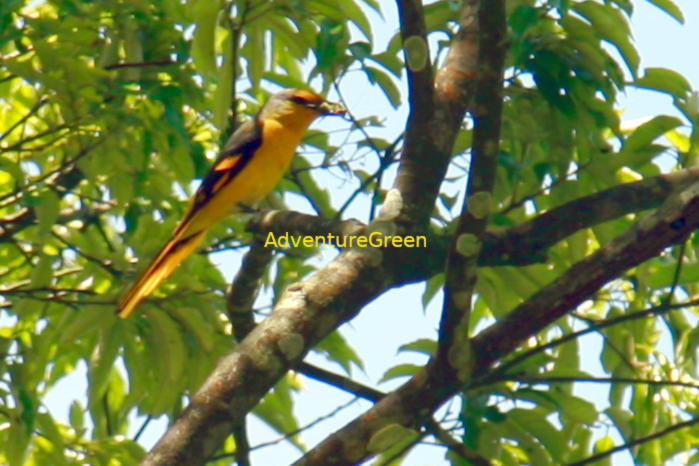
Let's join AdventureGreen on our bird quests to learn about the different birds and bird species in Vietnam. Here you can find out more about the birding spots that these bird species are found.
- Order: Anseriformes
- Family: Anatidae
- Genus: Spatula
Spatula is a genus or subgenus of ducks in the family Anatidae that includes the shovelers, garganey, and several species of American teals.
The species of this genus were formerly placed in the genus Anas. The name Spatula is the Latin word for "spoon", from which the English word "spatula" also originates.
1/ Garganey (Mồng két mày trắng, Spatula querquedula)
The specific epithet is derived from Latin querquedula, a word believed to represent to its call.
2/ Northern shoveler (Vịt mỏ thìa, Spatula clypeata), known simply in Britain as the shoveler
- Order: Anseriformes
- Family: Anatidae
- Genus: Anas
Anas is a genus of dabbling ducks. It includes the pintails, most teals, and the mallard and its close relatives. The name Anas is the Latin for "duck".
1/ The Eurasian teal (Mòng két, Anas crecca), common teal, or Eurasian green-winged teal
The bird gives its name to the blue-green colour teal.
2/ Mallard or wild duck (Vịt cổ xanh, Anas platyrhynchos)
3/ Pintail or northern pintail (Vịt mốc, Anas acuta)
The epithet acuta comes from the verb acuere meaning "to sharpen" which refers to the pointed tail of the male in breeding plumage.
4/ Indian spot-billed duck (Vịt trời, Vịt mỏ đốm, Anas poecilorhyncha)
The English name is derived from the red spot at the base of the bill that is found in the mainland Indian population.
The specific epithet poecilorhyncha combines the classical Greek words poikilos meaning "pied" or "spotted" and rhunkhos meaning a "bill".
- Order: Anseriformes
- Family: Anatidae
- Genus: Dendrocygna
Some taxonomists list the genus Dendrocygna (whistling ducks or tree ducks) as the only one species of the subfamily Dendrocygninae of the duck, goose and swan in the family Anatidae. Some other taxonomists list the white-backed duck (Thalassornis leuconotus) under this subfamily. The subfamily Dendrocygninae is also considered a separate family Dendrocygnidae by some authorities.
anser: Latin anser goose;
anas, anatis: Latin duck.
Dendrocygna: Greek dendron tree; genus Cygnus;
cygnus: Latin swan;
Greek kuknos swan;
1/ Lesser whistling duck (Le nâu or Le le, Dendrocygna javanica), also known as Indian whistling duck or lesser whistling teal
- Order: Anseriformes
- Family: Anatidae
- Genus: Nettapus
The pygmy geese are a group of very small "perching ducks" in the genus Nettapus which breed in the Old World tropics. The genus Nettapus name is from Ancient Greek nētta meaning "duck" and pous meaning "foot".
1/ Cotton pygmy goose or cotton teal (Le khoang cổ, Nettapus coromandelianus)
- Order: Anseriformes
- Family: Anatidae
Netta is a genus of diving ducks.
1/ Red-crested pochard (Netta rufina)
Anseriformes is derived from Latin, meaning "goose-shaped" or "goose-like," combining anser (goose) and forma (form/shape). The order constitutes ducks, geese, and swans (family Anatidae), typically known as waterfowl or wildfowl.
Anatidae is a biological family of waterfowl (ducks, geese, and swans). The term originates from New Latin Anas (stem anat-), meaning "duck," paired with the suffix -idae (denoting a zoological family). The Latin root anas traces back to the Proto-Indo-European anət- ("waterbird").
The name Netta is derived from Greek Netta "duck".
- Order: Anseriformes
- Family: Anatidae
- Genus: Netta
Red-crested pochard (Netta rufina)
The red-crested pochard (Netta rufina) is a large diving duck.
The breeding regions of this species are in southern Europe, and from the Black Sea to Central Asia and Mongolia.
This bird winters in the Indian subcontinent and Africa.
Anseriformes is derived from Latin, meaning "goose-shaped" or "goose-like," combining anser (goose) and forma (form/shape). The order constitutes ducks, geese, and swans (family Anatidae), typically known as waterfowl or wildfowl.
Anatidae is a biological family of waterfowl (ducks, geese, and swans). The term originates from New Latin Anas (stem anat-), meaning "duck," paired with the suffix -idae (denoting a zoological family). The Latin root anas traces back to the Proto-Indo-European anət- ("waterbird").
The name Netta is derived from Greek Netta "duck".
Latin rufina, "golden-red" (from rufus, "ruddy").
- Order: Anseriformes
- Family: Anatidae
The Anatidae are the biological family of water birds that includes ducks, geese, and swans in the order Anseriformes.
anser: Latin anser goose;
anas, anatis: Latin duck.
- Order: Anseriformes
Anseriformes is an order of birds also known as waterfowl that comprises about 180 living species of birds in three families: Anhimidae (three species of screamers), Anseranatidae (the magpie goose), and Anatidae.
anser: Latin anser goose;
anas, anatis: Latin duck.
- Order: Procellariiformes
- Family: Procellariidae
Ardenna is a genus of seabirds in the family Procellariidae.
1/ Wedge-tailed shearwater (Ardenna pacifica)
The name Procellariiformes comes from Latin, combining procella (meaning "storm" or "gale") with -formes (meaning "shape" or "form"), literally "storm-shaped" or "storm-like," fitting these seabirds' reliance on wind for flight, and refers to their stormy habitats and powerful wings.
The family name Procellariidae is derived from the type genus Procellaria which in turn is derived from the Latin word procella meaning "storm" or "gale".
The genus name Ardenna is from Arduenna (or Ardenna) is the Latin name for the Ardennes region. It originates from the Gaulish arduo- ("height") or Latin ardua ("steep"), referencing mountainous forest areas. In Greek, the region is known as Αρδέννες (Ardénnes), plural.
- Order: Procellariiformes
- Family: Procellariidae
- Genus: Ardenna
Wedge-tailed shearwater (Ardenna pacifica)
The wedge-tailed shearwater (Ardenna pacifica) is a medium-large shearwater in the seabird family Procellariidae.
The bird is found throughout the tropical Pacific and Indian Oceans.
The name Procellariiformes comes from Latin, combining procella (meaning "storm" or "gale") with -formes (meaning "shape" or "form"), literally "storm-shaped" or "storm-like," fitting these seabirds' reliance on wind for flight, and refers to their stormy habitats and powerful wings.
The family name Procellariidae is derived from the type genus Procellaria which in turn is derived from the Latin word procella meaning "storm" or "gale".
The genus name Ardenna is from Arduenna (or Ardenna) is the Latin name for the Ardennes region. It originates from the Gaulish arduo- ("height") or Latin ardua ("steep"), referencing mountainous forest areas. In Greek, the region is known as Αρδέννες (Ardénnes), plural.
Pacifica is a Latin-derived term meaning "peaceful," "tranquil," or "peacemaker," originating from the Latin word pacificus. It combines pax (peace) and facere (to make or do), essentially signifying one who makes peace.
- Order: Procellariiformes
- Family: Procellariidae
Puffinus is a genus of seabirds in the order Procellariiformes.
1/ Christmas shearwater (Puffinus nativitatis)
The name Procellariiformes comes from Latin, combining procella (meaning "storm" or "gale") with -formes (meaning "shape" or "form"), literally "storm-shaped" or "storm-like," fitting these seabirds' reliance on wind for flight, and refers to their stormy habitats and powerful wings.
The family name Procellariidae is derived from the type genus Procellaria which in turn is derived from the Latin word procella meaning "storm" or "gale".
The genus name Puffinus is not of certain origin. Some claim it stems from 17th-century descriptions of sea birds. "poffin" or "pophyn" or "puffing" are often referred to salted, fat nestlings, a delicacy.
- Order: Procellariiformes
- Family: Procellariidae
- Genus: Puffinus
Christmas shearwater (Puffinus nativitatis)
The Christmas shearwater(Puffinus nativitatis) is a medium-sized shearwater of the tropical Central Pacific.
The name Procellariiformes comes from Latin, combining procella (meaning "storm" or "gale") with -formes (meaning "shape" or "form"), literally "storm-shaped" or "storm-like," fitting these seabirds' reliance on wind for flight, and refers to their stormy habitats and powerful wings.
The family name Procellariidae is derived from the type genus Procellaria which in turn is derived from the Latin word procella meaning "storm" or "gale".
The genus name Puffinus is not of certain origin. Some claim it stems from 17th-century descriptions of sea birds. "poffin" or "pophyn" or "puffing" are often referred to salted, fat nestlings, a delicacy.
Nativitatis is a Latin term, specifically the genitive singular form of nativitas, meaning "of birth" or "of the nativity".